Things to know before going to Thailand
In this travel tip, we will delve into the essential tips and insights that will help you navigate Thailand like a seasoned traveler.
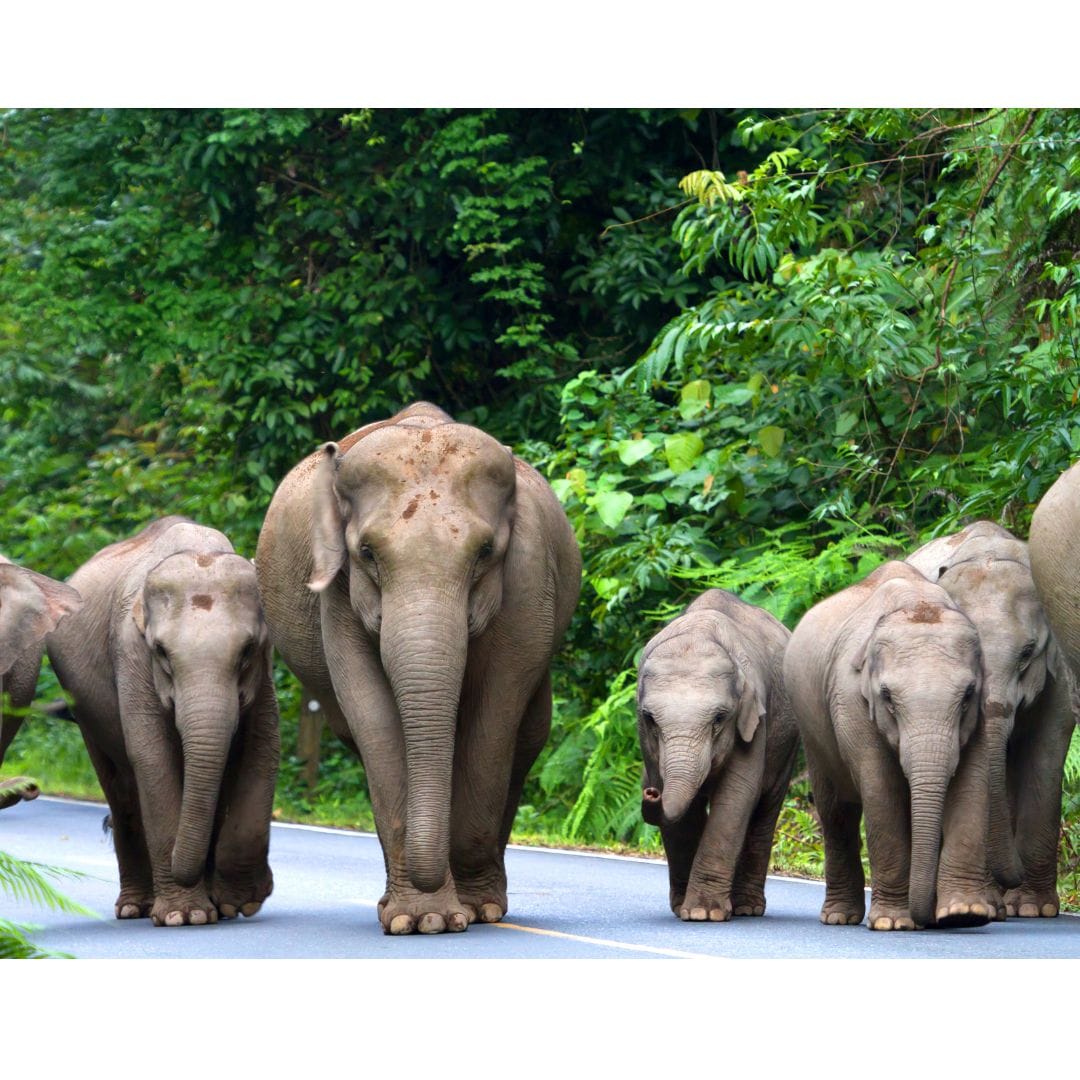
Revered as the "Land of Smiles," Thailand captivates visitors with its rich culture, stunning landscapes, and warm, welcoming locals. Whether you’re drawn to the bustling energy of Bangkok, the serene beaches of Phuket, or the cultural gems of Chiang Mai, this Southeast Asian destination promises an unforgettable journey. To make the most of your trip, here are a few essential tips to know before you arrive.
Visa and Entry Guidelines
Before you travel, familiarize yourself with Thailand’s visa policies. To enter the country, a passport valid for at least 6 months before its expiration is required. Depending on your nationality, you may qualify for a visa exemption or visa-on-arrival, granting you a set period to explore. For example, American citizens get 60 days with the possibility of extending their stay by 30 days for a nominal fee. This can be done at your local immigration office.
For longer stays or specific purposes, such as working or volunteering, ensure you apply for the appropriate visa beforehand. A visa is required to enter and
stay in Thailand for study, work or other reasons. If you come from other countries, see what visa conditions apply to your country.
Weather and Packing Tips
Thailand's tropical climate offers warmth year-round but varies by season. The cool and dry season (November to February) is the most popular, while the hot season (March to May) and rainy season (June to October) require thoughtful planning. Pack light, breathable clothing, sunscreen, a hat, comfortable footwear, and insect repellent to stay comfortable and prepared for the weather.
Cultural Etiquette and Respectful Attire
Thailand places a high value on tradition and respect, and visitors should honor local customs. When visiting temples or sacred places, dress modestly by covering your shoulders and knees. Always remove your shoes before entering temples or private homes as a sign of respect. Greet locals with a "wai," a slight bow with palms pressed together, to show politeness and appreciation for Thai culture.
Language and Communication
Although English is widely spoken in tourist areas, learning basic Thai phrases can enrich your interactions. Simple words like “Sawasdee” (hello) and “Khop Khun” (thank you) demonstrate respect and foster connections. Carry a phrasebook or use a translation app to navigate language barriers and make communication smoother.
Food and Hygiene
Thailand is a paradise for food lovers, offering everything from street eats to fine dining. To avoid foodborne illnesses, choose reputable vendors and establishments. Stick to bottled water and maintain good hygiene by washing your hands or using sanitizer frequently, especially before meals.
Getting Around
Thailand boasts various transportation options, from tuk-tuks and taxis to buses and trains. In cities like Bangkok, traffic can be heavy, so public transit and app-based ride services are efficient alternatives. For longer trips, domestic flights and overnight trains provide convenient ways to travel across the country.
Shopping, Bargaining, and Tipping
Markets and street stalls are ideal for bargain hunters. Negotiation is customary, so engage with a friendly and respectful approach. Tipping isn’t required but is appreciated for exceptional service, such as in restaurants. A small gratuity or rounding up the bill is a thoughtful gesture.
Money & ATMs
Before you travel to any exotic country, you may have a lot of
questions about money. What is the currency there? Is it safe to
withdraw money from ATMs? Are there any fees?
In Thailand, the currency is the Thai baht - THB.
For one $US you get approximately 37 THB(as of the date of writing this)You will definitely need cash to travel in Thailand, as many places do not accept cards.
If there is an option to pay by card somewhere, they often charge a surcharge of up to 3% of the card payment amount.
You have 2 options: Bring cash and exchange it at a currency exchange office, or withdraw cash from an ATM. As for ATMs in Thailand, they have some of the highest fees we have encountered while traveling. All ATMs charge 220 THB ($6 US) for each withdrawal. Therefore, if you decide to withdraw from an ATM, we recommend withdrawing as much as possible. If your bank also has a fee for withdrawals abroad, these fees can climb to a few dozen US.
Internet & SIM cards
If you want to travel comfortably not only in Thailand, but anywhere abroad, you will probably need a local SIM card with data. obviously, all hotels and most restaurants have Wi-Fi, but your own data can help and make life easier in many situations, such as when traveling around and on tours
You can buy a SIM card at the airport upon your arrival, which I find to be the easiest way. You can also buy it at 7-eleven stores or street stalls. If you don't want to bother with replacing physical SIM cards, there is also the option of the increasingly popular eSIM card, which you can automatically use in more than 150 destinations.
You can have this eSIM card pre-installed on your mobile phone
and simply turn it on after landing in any given destination (e.g.
Thailand). Personally I use an eSIM from JETPAC
Drones
An increasingly common question among all travellers is what the
conditions are for flying a drone in a given country. When traveling with any airline, it should be kept in mind that the drone and its batteries must always be stored in hand luggage.
As for airport controls, they are always different depending on the airport you are at. At the international airport in Bangkok or Phuket, there were no complications with bringing a drone into the country, nor were they controlled in any way. However, the general conditions apply, and that is that it is not possible to fly a
drone around the airport, to a height of more than 90 meters, around residential buildings, sacred places, or from a moving vehicle.
In Thailand Drones must be registered with 2 agencies and be insured. A simple Google search will point you in the right direction. Flying without official registration and permission can result in heavy fines or even legal action. There are even areas such as Maya Bay, Similan Islands and other national parks where drone flying is controlled by patrols not only on the islands but also on
the water. If you want to avoid these complications and fully enjoy flying with a drone, it is important to strictly follow Thai drone regulations and request a flying permit.
Final Thoughts
Embrace the unexpected and immerse yourself in the wonders of Thailand, where ancient traditions and modern marvels coexist beautifully. Equipped with these essential insights, you’re ready to explore a land brimming with charm, culture, and adventure. Let the Land of Smiles enchant you, leaving you with memories to cherish for a lifetime!